Jul 31, 2026Product Introductions
How to Choose the Right Pilates Ball Size for Your Height
Not sure what size pilates ball you need? Use our simple height-to-size chart and expert tips to find the perfect fit for your workouts.
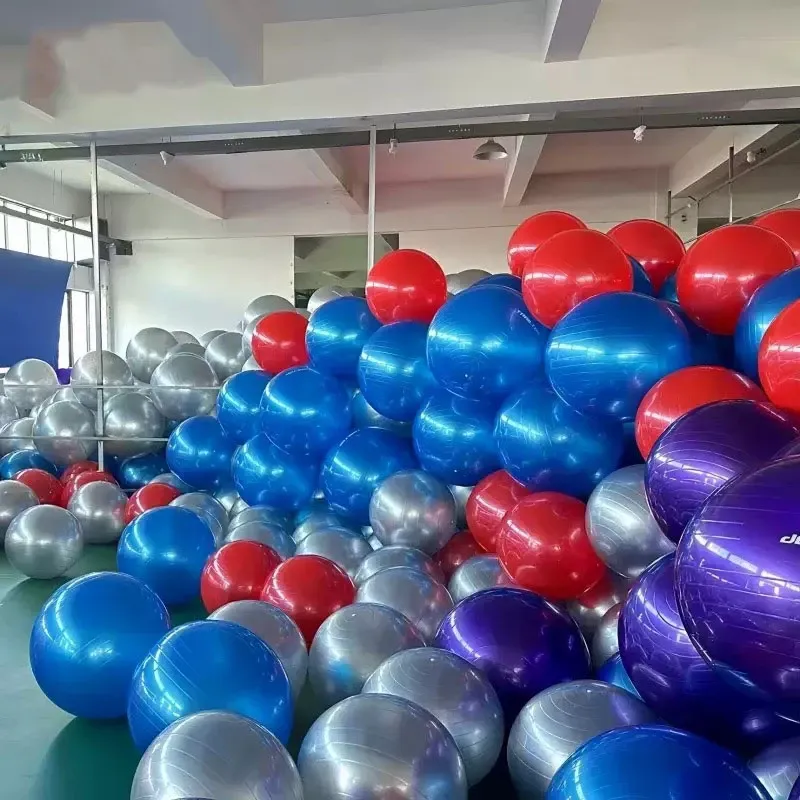
Choosing the right Pilates ball size isn't just about comfort — it directly affects your balance, form, and safety during exercises. A ball that's too big will make your shoulders overwork; one that's too small won't support your spine properly.
The Simple Height-to-Size Chart
Your Height | Recommended Ball Size |
|---|---|
Under 5'0" (152 cm) | 45 cm |
5'0" – 5'5" (152–165 cm) | 55 cm |
5'6" – 5'11" (165–180 cm) | 65 cm |
6'0" and above (180+ cm) | 75 cm |
Why Size Matters More Than You Think
A 65 cm ball is the most common choice, but that doesn't mean it's right for everyone. When you sit on the ball, your knees should form a 90-degree angle. If your hips sit lower than your knees, the ball is too small. If your hips sit higher, it's too big.For core work: A slightly smaller ball increases instability, which engages more muscles.
For stretching and rehab: A standard-sized ball offers better support.
Material Quality: Don't Skip This
Not all pilates balls are created equal. Look for anti-burst PVC or eco-friendly TPE material. A true anti-burst ball will deflate slowly if punctured, rather than popping suddenly. This is especially important if you plan to use it near furniture or weights.
Weight Capacity
Most standard pilates balls support 200–300 lbs. If you plan to use the ball with added weights (like holding dumbbells during crunches), choose a ball rated for at least 500 lbs static weight.
Final Checklist Before You Buy
- Measure your height and match to the size chart
- Check the weight capacity
- Confirm anti-burst certification
- Look for a pump included in the package
- Read reviews about long-term shape retention